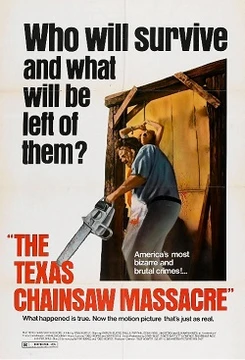
The Slaughterhouse Workers
Paid to look away from the screaming.
The Slaughterhouse Workers are the unseen, grimy backbone of the Sawyer family's meat operation, a rotating cast of desperate drifters and lowlifes who toil in the blood-soaked bowels of the slaughterhouse. They are not family, but hired hands who turn a blind eye to the horrors around them for a paycheck or a place to hide. Their role in the Texas Chainsaw Massacre universe is to amplify the industrial, dehumanizing horror of the family's business, showing how ordinary people can become complicit in evil through apathy and survival.
- Role
- Unwitting accomplices and laborers in the Sawyer family's slaughterhouse
- Affiliation
- The Sawyer family (indirectly, through employment)
- First appears
- The Texas Chainsaw Massacre (1974) - implied through the slaughterhouse setting
- Status
- Transient and expendable, often meeting grim fates
Lore & Background
The Slaughterhouse Workers are a nameless, shifting group who keep the Sawyers' legitimate (and illegitimate) meat business running. They handle the cattle, clean the blood, and operate the machinery, but they are never trusted with the family's darkest secrets. The Sawyers view them as tools—useful but disposable, like the livestock. These workers often come from the margins of society: hobos, runaways, or men who've burned every bridge, drawn by the promise of cash under the table and no questions asked.
Their work is brutal and numbing. The slaughterhouse is a place of constant noise—the clang of hooks, the whir of saws, the bellowing of animals—which drowns out any screams that might escape the back rooms. The workers learn not to ask about the special 'cuts' or the strange smell from the smokehouse. They are kept in line by Drayton Sawyer's gruff authority and the unspoken threat of what happens to those who pry. Most don't last long; they quit in terror, disappear, or are 'processed' themselves when they become a liability.
In the franchise's lore, these workers represent the banality of evil—the idea that horror can be just another day job. They are the ones who grease the gears of the Sawyer family's nightmare, their silence and complicity making them as culpable as the killers themselves. Their presence underscores the grim reality that the family's terror is not just a freak show, but a business that relies on the indifference of the desperate.
In Their Own Story
The man called 'Larry' had been working the kill floor for three weeks. He didn't talk much, which the foreman liked. He just swung the sledgehammer, one clean blow to the steer's skull, then hooked the carcass for the chain. The pay was shit, but the room above the shed was free. Tonight, he heard something different—a high, thin wail from the back shed, not a cow. He paused, wiping blood from his brow. The foreman appeared, grinning with yellow teeth. 'Don't you worry about that,' he said, handing Larry a greasy wad of cash. 'Overtime.' Larry took the money and went back to work. He didn't ask again.
Reader's Guide
The Slaughterhouse Workers are the expendable labor force that keeps the Sawyer family's meat business operational. They are not members of the family, but hired hands who perform the daily, gruesome tasks of slaughtering livestock and maintaining the facility. Their primary goal is survival—earning enough money to get by, often while hiding from their pasts or the law. They are overseen by Drayton Sawyer, who runs the operation with a mix of gruff efficiency and menace. He keeps them in line with cash, threats, and the occasional disappearance of anyone who asks too many questions. These workers are expected to stay deaf to strange noises, blind to odd stains, and mute about the 'special orders' that come from the back rooms. Their only rule: do your job, take your pay, and never, ever open the smokehouse door.
Did You Know?
- The Slaughterhouse Workers are never given names in the original film, emphasizing their disposability and lack of identity.
- Their presence is implied through the sounds of machinery and the sight of blood-soaked aprons, never shown in clear focus.
- In later installments, the concept of hired help is expanded, showing the family occasionally using outsiders for specific tasks.
- The workers' ignorance of the family's true business is a deliberate choice by the Sawyers to maintain secrecy and control.
Frequently Asked Questions
Who are the Slaughterhouse Workers in The Texas Chainsaw Massacre?
They are the unnamed, background laborers who keep the Sawyer family's meat-processing operation running day to day. Think of them as desperate drifters and lowlifes who show up for a shift, do the butchering, and go home without asking what the meat actually is. They are hired hands, not blood relatives, and their entire existence in the story is defined by the paycheck that keeps their eyes averted.
Are the Slaughterhouse Workers actually part of the Sawyer family?
No. They have no familial or genetic tie to Leatherface, the Mother, or any other member of the clan. Their only connection to the Sawyers is a transactional employment relationship—they work in the facility in exchange for wages or a place to stay, and that is the extent of their involvement.
What is the Slaughterhouse Workers' role in the 1974 Texas Chainsaw Massacre?
They appear as the grimy, half-seen staff going about their butchering duties in the bowels of the facility, and their early, brutal deaths serve to establish how expendable the family considers anyone outside its own bloodline. Narratively, they turn the Sawyers' horror from a small domestic madness into something that looks, from the outside, like a functioning industrial operation.
What typically happens to the Slaughterhouse Workers?
They are transient and disposable by design; the canon treats them as a revolving door of faces who either leave after a shift or simply stop showing up. Those who linger too long or ask too many questions are, in the logic of the franchise, absorbed into the family's output—becoming part of the product or the collection.
Why do fans consider the Slaughterhouse Workers important to the Texas Chainsaw Massacre lore?
They embody the film's central argument about banal complicity: ordinary, apathetic people who enable monstrous acts simply by accepting a paycheck and refusing to look at the screaming. Without them, the Sawyers read as a small cluster of madmen; with them, the horror becomes a system that ordinary survival helps sustain.
More in Factions & Groups
Elsewhere in the The Texas Chainsaw Massacre universe
Spotted an error? Know more?
This is a living reference — every entry is fact-audited, and reader corrections feed straight into our audit queue. Suggest an edit · See this site's audit record