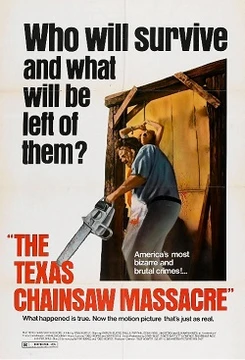
The Basement
The guts of the farmhouse, where the chainsaw's growl is a lullaby.
The basement of the Sawyer family home is a nightmarish labyrinth of rusted pipes, low-hanging bulbs, and bone-littered concrete floors. It serves as the primary lair and slaughterhouse for Leatherface, where victims are brought to be terrorized, butchered, and processed into the family's grisly meals. This claustrophobic underworld is the heart of the family's operations, a place where the screams of the doomed echo off damp walls and the air is thick with the stench of decay and old blood.
- Role
- Primary lair and slaughterhouse of the Sawyer family
- Affiliation
- Sawyer family (Leatherface, Drayton, Nubbins, Grandpa)
- First appears
- The Texas Chain Saw Massacre (1974)
- Status
- Active, as depicted in the original film and its sequels
Lore & Background
The basement is a multi-chambered space beneath the Sawyer farmhouse, accessible through a trapdoor in the kitchen or a side entrance. It is a chaotic warren of narrow corridors, partitioned rooms, and a central furnace area. The walls are adorned with animal hides, bones, and the occasional human trophy, while the floor is slick with grease and blood. A single meat hook dangles from a beam, often used to hang victims before they are dispatched.
This space is not merely a storage area but the family's primary workspace. Here, Leatherface hones his craft, using a variety of tools—from sledgehammers to his signature chainsaw—to process his kills. The basement also houses a small, grim dining area where the family sometimes gathers, and a corner where Grandpa Sawyer, the ancient patriarch, is kept in a state of near-death, occasionally roused to taste the family's 'special' recipes.
The basement's design is intentionally disorienting, with multiple exits and dead ends, making escape nearly impossible for those unlucky enough to be dragged down. It is a place of primal fear, where the line between human and animal, predator and prey, blurs into a single, horrifying reality.
In Their Own Story
The trapdoor groans open, spilling a shaft of jaundiced light onto the concrete steps. The smell hits you like a fist: copper, rot, and the sour-sweet tang of old sweat. Your shoes stick to the floor, which is a Jackson Pollock of grease, blood, and crushed chicken bones. A single bare bulb buzzes overhead, illuminating a meat hook that sways lazily, still dripping. In the corner, the furnace belches a wave of heat that feels like a fever dream. You hear a wet, rhythmic cough—a saw being coaxed to life—and the shadows stretch and twist. A shape blocks the light, and you catch the glint of a blade before the bulb dies, leaving you in the dark with the sound of heavy breathing.
Reader's Guide
The basement is the central stage for the horror in The Texas Chain Saw Massacre. It is where Sally Hardesty is held captive, where her friends meet their fates, and where Leatherface's iconic dance of triumph takes place. As a setting, it embodies the film's themes of industrial decay and rural isolation, transforming a domestic space into a charnel house.
Its role in the story is twofold: it is both a prison and a processing plant. Victims are brought here to be terrorized and killed, while the family uses it to prepare their 'meat.' The basement's labyrinthine layout creates a sense of inescapable dread, as escape routes lead only to more horrors.
For fans, the basement is iconic—its grimy, visceral aesthetic has become synonymous with the franchise. It matters because it grounds the supernatural terror in a tangible, filthy reality, making the horror feel all too possible. Understanding the basement is key to understanding the Sawyer family's world: a place where the rules of civilization have rotted away, leaving only the raw, brutal logic of the hunt.
Did You Know?
- The basement set was built in a real, abandoned farmhouse in Texas, and the oppressive heat and smell of decay were authentic, adding to the actors' genuine terror.
- The meat hook scene was filmed in a single take, with actress Marilyn Burns actually hanging from the hook, causing real pain and fear.
- The furnace in the basement was functional and used to create the intense, sweltering atmosphere that permeates the film.
- The basement's design was inspired by the director's own nightmares of being trapped in a maze of pipes and dark rooms.
More in World & Setting
Elsewhere in the The Texas Chainsaw Massacre universe
Spotted an error? Know more?
This is a living reference — every entry is fact-audited, and reader corrections feed straight into our audit queue. Suggest an edit · See this site's audit record