The Gas Station Cannibalism
Fuel for your car, flesh for your plate.
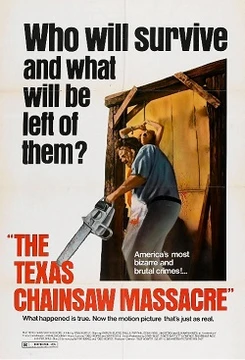
The Gas Station Cannibalism refers to the horrifying practice of the Sawyer family—the cannibalistic clan at the heart of *The Texas Chainsaw Massacre*—using their roadside gas station as a front to lure, murder, and consume unsuspecting travelers. This grim operation, centered in rural Texas, transforms a mundane stop for fuel into a death trap, where victims are slaughtered and their remains are processed into chili and other meat products sold to the public. The gas station serves as both a hunting ground and a commercial outlet for the family's gruesome trade, embodying the franchise's core themes of rural decay, industrial exploitation, and the banality of evil.
- Role
- Setting and plot device
- Affiliation
- Sawyer family
- First appears
- The Texas Chainsaw Massacre (1974)
- Status
- Active in the original timeline
Lore & Background
The gas station, often run by the Sawyer patriarch or his kin, is a dilapidated establishment on a lonely Texas highway, its single pump rusted and its sign flickering like a dying insect. Its primary function is to attract victims who are passing through, offering gasoline and a small store selling dusty souvenirs and, most notoriously, barbecue that smells too good for a place this decrepit. The family uses the station to scout for easy prey—stranded motorists, hitchhikers, or anyone who stops for supplies. Once inside, victims are overpowered, often with the help of a hidden back room where a trapdoor leads to a shallow pit, or a sudden ambush from a side door that doesn't quite close, and then transported to the family's nearby farmhouse for slaughter and butchery.
The cannibalism is not merely a survival tactic but a twisted family tradition, passed down through generations like a heirloom of rot. The Sawyers see humans as livestock, and the gas station is their abattoir's front door—a smiling face on a slaughterhouse. The meat from victims is cooked into chili and sold to unwitting customers, making the public complicit in the horror. This practice underscores the film's critique of consumerism and the meat industry, where the line between food and people is horrifically blurred. The gas station's role as a commercial enterprise means the family profits from murder twice: first by robbing victims of their wallets and watches, then by selling their flesh by the pound.
In Their Own Story
The bell above the door jingled as a dusty pickup pulled up to the pump. A man in a sweat-stained hat stepped out, stretching his back. Inside the station, the air was thick with the smell of grease and old smoke. A heavyset man with a lazy eye wiped the counter with a rag that had seen better days. 'Fill 'er up?' he asked, his voice a low rumble. The traveler nodded, glancing at the cooler of sodas and the stack of flyers for 'Sawyer's Famous Chili.' He didn't notice the faint, coppery tang beneath the barbecue sauce, or the way the attendant's eyes lingered on his neck. As the pump clicked, the man's last thought was of the long road ahead—before the world went dark, and the bell jingled again, signaling a new shipment for the kitchen.
Reader's Guide
The Gas Station Cannibalism is a central element of *The Texas Chainsaw Massacre* lore, representing the Sawyer family's integration of murder into everyday commerce. The station itself is a character: a weathered building with peeling paint the color of dried blood, a single gas pump that ticks like a time bomb, and a counter cluttered with trinkets—keychains, postcards, and a jar of teeth nobody buys. It is the first point of contact for victims, who are lured by the promise of fuel or food. The family's cannibalism is not hidden from the public; rather, it is disguised as a local specialty, a recipe passed down from 'Grandma.' The horror isn't just in the killing—it's in the casualness of it all, the way a traveler can buy a sandwich and never know the filling was once a hitchhiker. The gas station is a monument to the franchise's darkest truth: that evil doesn't always wear a mask; sometimes it just pumps gas.
Did You Know?
- The gas station in the original 1974 film was a real, functioning business that the filmmakers repurposed for the movie, and locals still swear the chili there never tasted quite right.
- The chili sold at the station is implied to be made from human remains, though this is never explicitly shown on screen—the horror lives in what you don't see, in the greasy aftertaste of suggestion.
- The Sawyer family's cannibalism is loosely inspired by the real-life crimes of Ed Gein, who used human skin and bones for household items, turning a farmhouse into a museum of the macabre.
- In the 2003 remake, the gas station is given a more modern, sleek appearance, contrasting with the original's gritty decay—but the meat still tastes the same.
More in Lore & History
Elsewhere in the The Texas Chainsaw Massacre universe
Spotted an error? Know more?
This is a living reference — every entry is fact-audited, and reader corrections feed straight into our audit queue. Suggest an edit · See this site's audit record